Activities
Music, Arts, Crafts, & Sports
Prison officials throughout history have been keenly aware of the old saying, "Idle hands are the devil's workshop." When inmates aren't working, sleeping, eating, or going to programs, it's wise to offer them productive diversions to occupy their time.
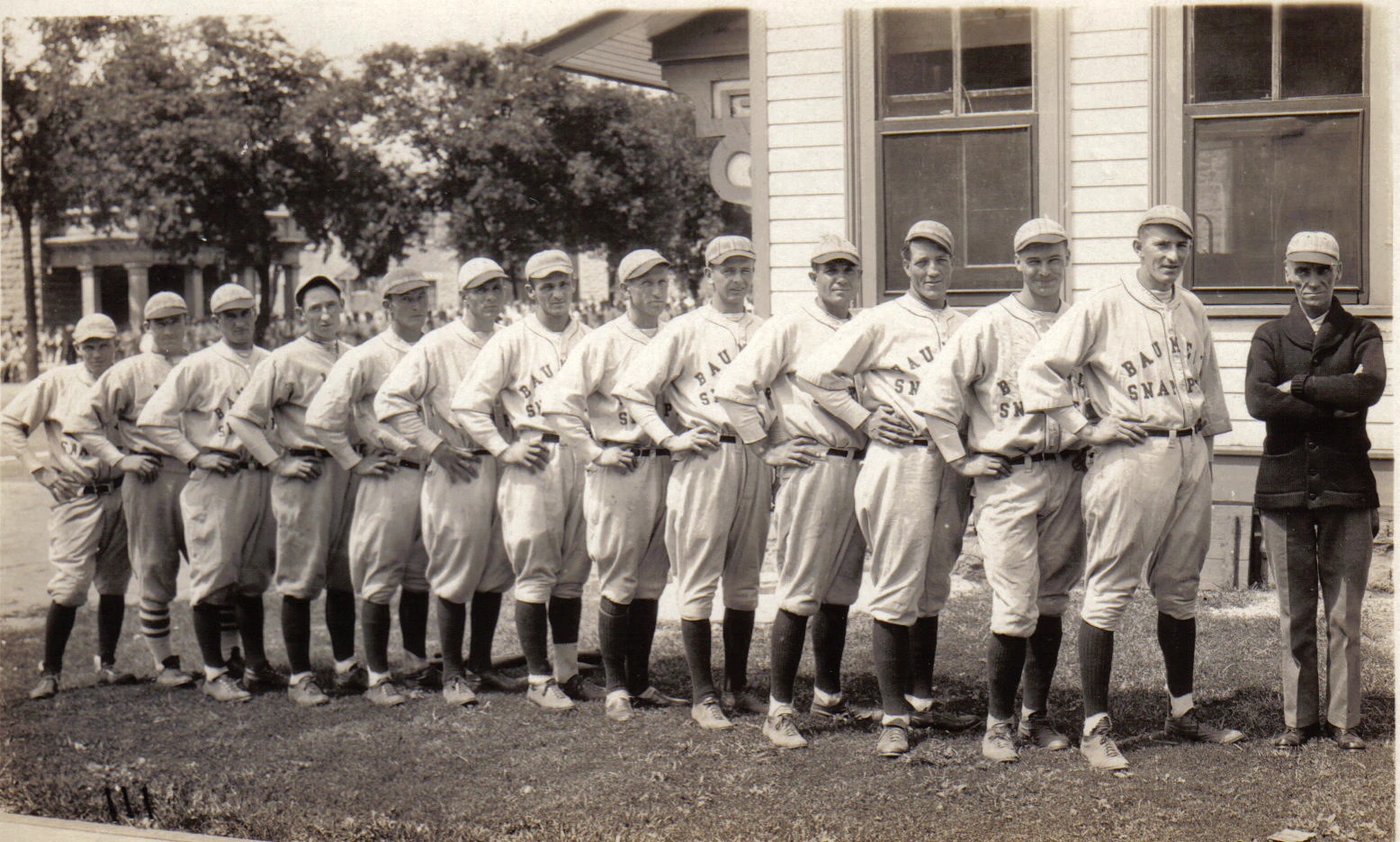
Prison Baseball
Prison intramural sports really took off around the country in the 1920s. Baseball had become the national pastime, and wardens everywhere saw the advantages of encouraging sports inside their institutions. This team, "Baumel's Snappers" (referring to the current warden at the time) is being coached by Harry Hortman, far right. His fascinating story is in the Stories section of this website.
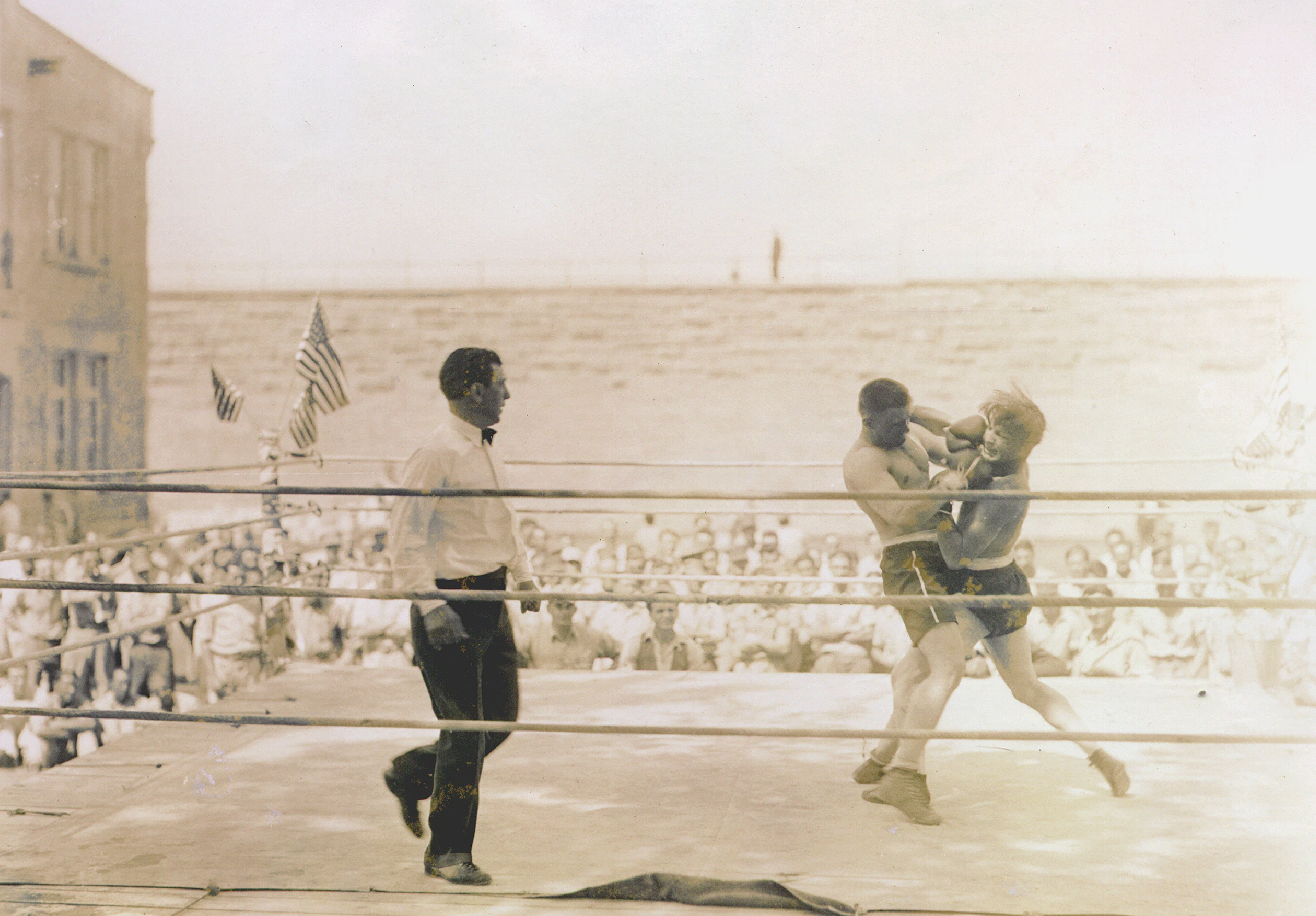
Prison boxing
Prison boxing matches were allowed for a time, until an inmate was killed in the ring at Fort Madison. Then the practice ended abruptly.
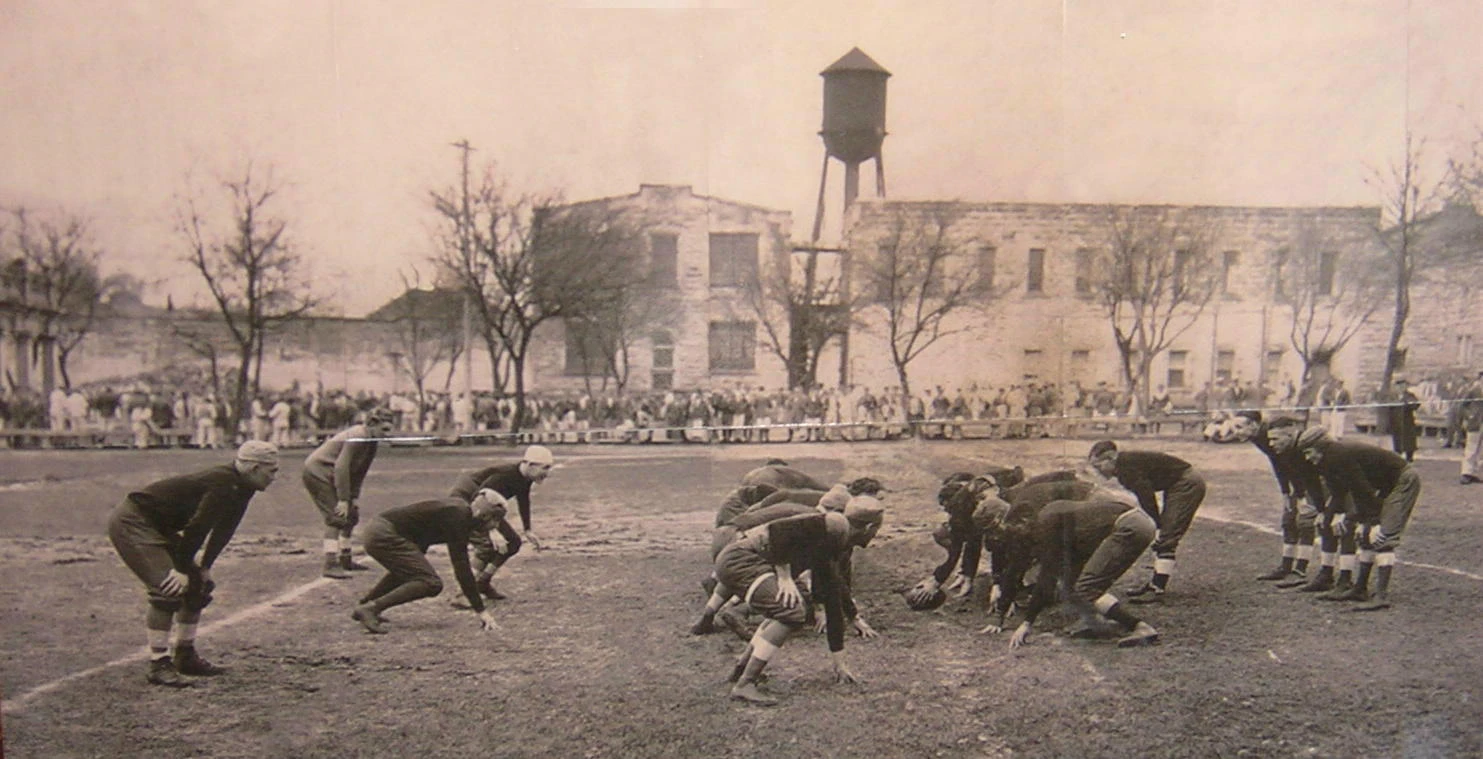
Hike!
Football was a popular diversion as well. Not only did the prison teams play each other, but visiting town teams as well.
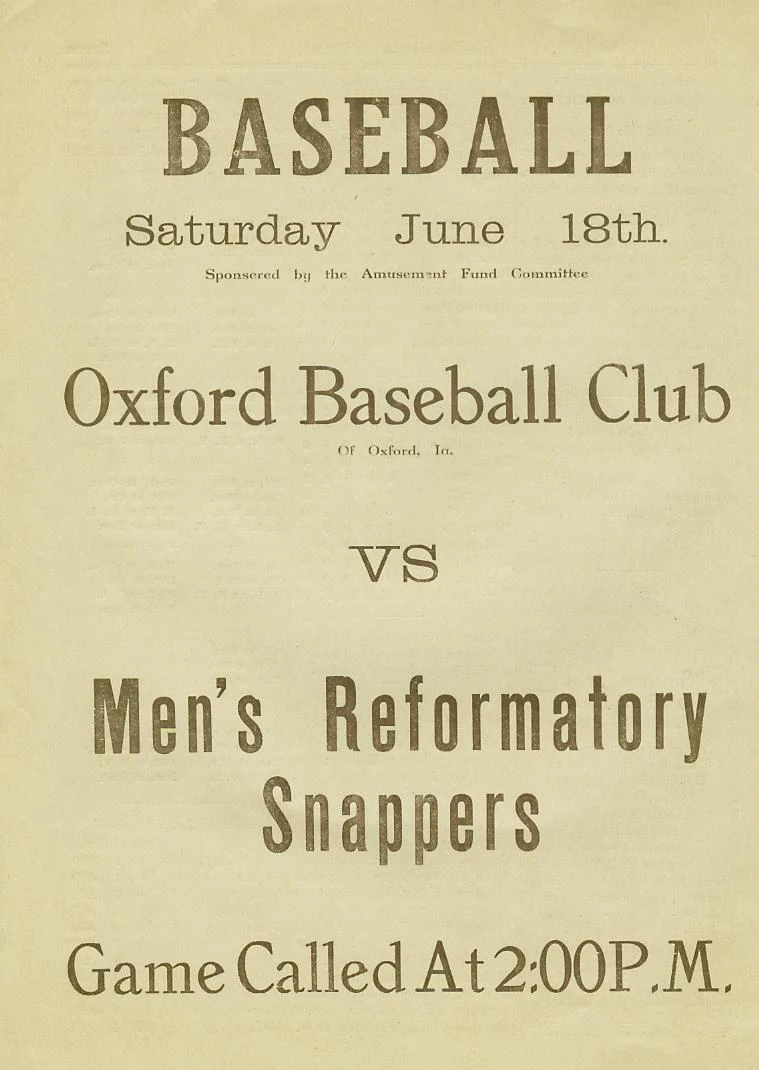
Baseball Flyer
A visiting team would be coming to take on the prison team, whose name was now the Snappers, in honor of their longtime coach, "Snap" Hortman.
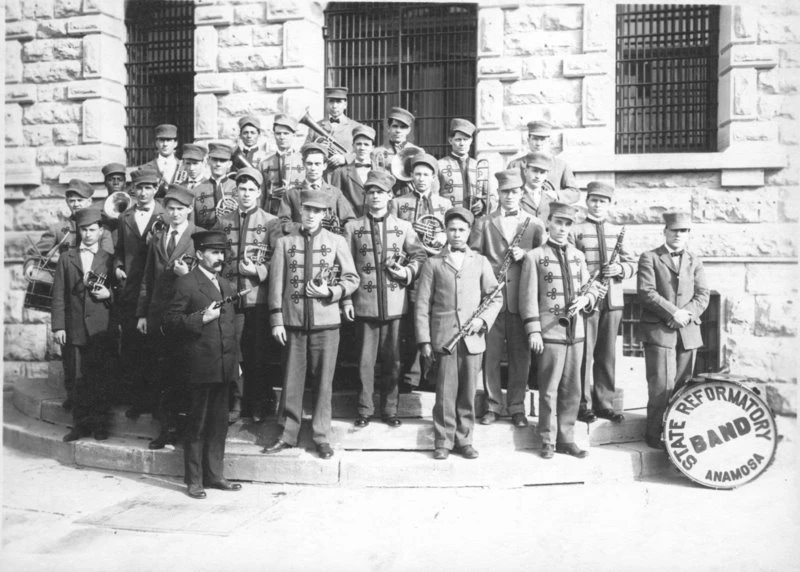
The Reformatory Band
The prison band not only entertained the inmates and staff, but were allowed to perform in the local community as well. They provided concerts in Anamosa's Wapsipinicon State Park for years.
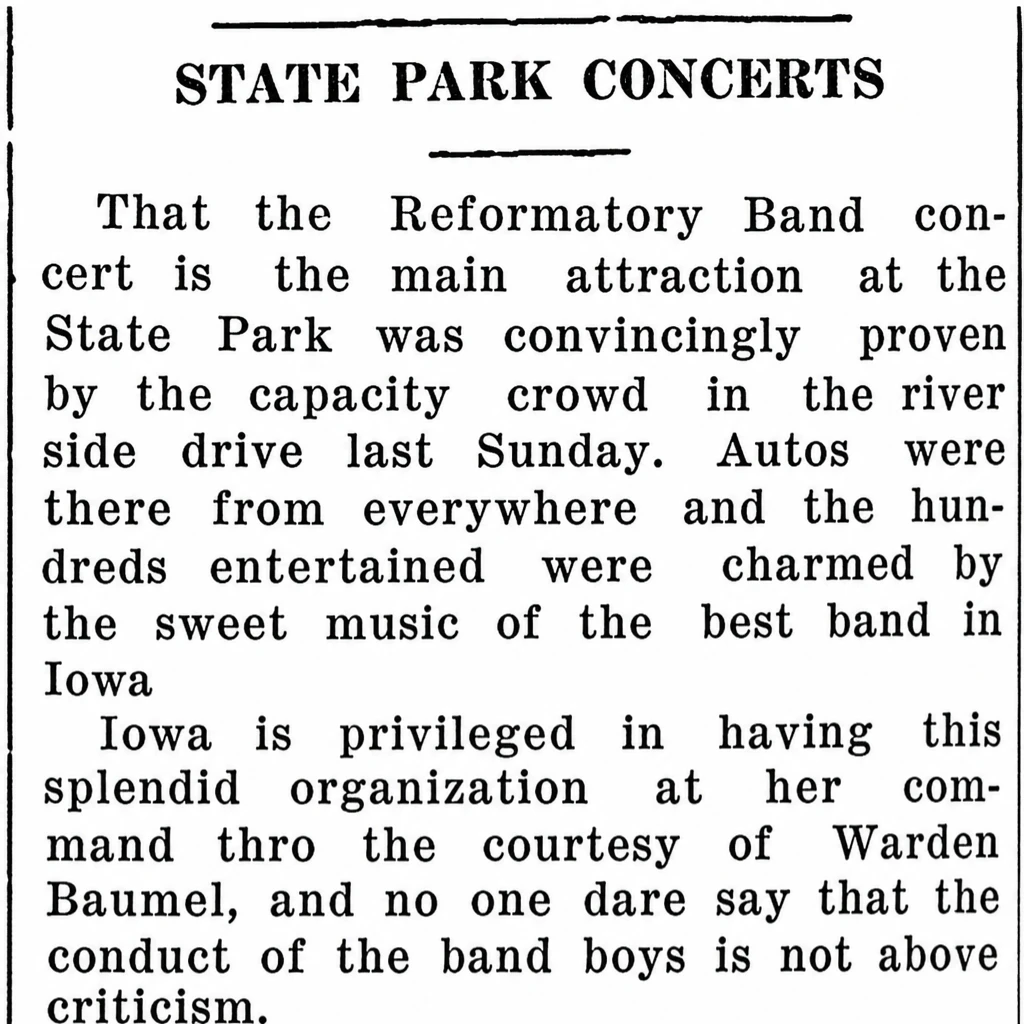
Band at Wapsi Park
From an August 1923 issue of the Anamosa Journal - the prison band became an institution for their Sunday concerts in the park during summer.
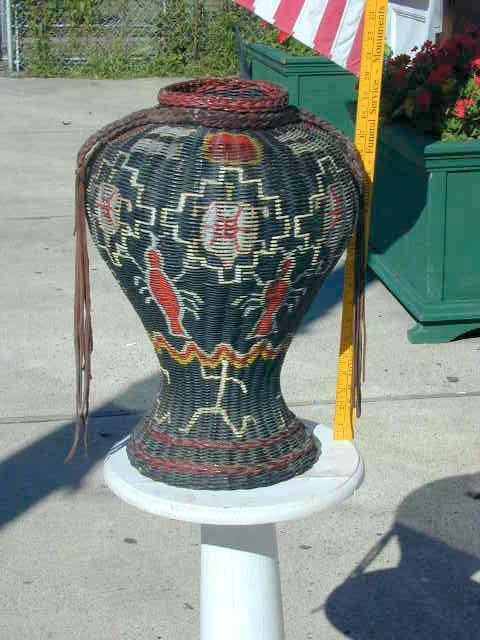
Basket Weaving
Intricate woven baskets were created for a time, and remain a collector's item to this day.
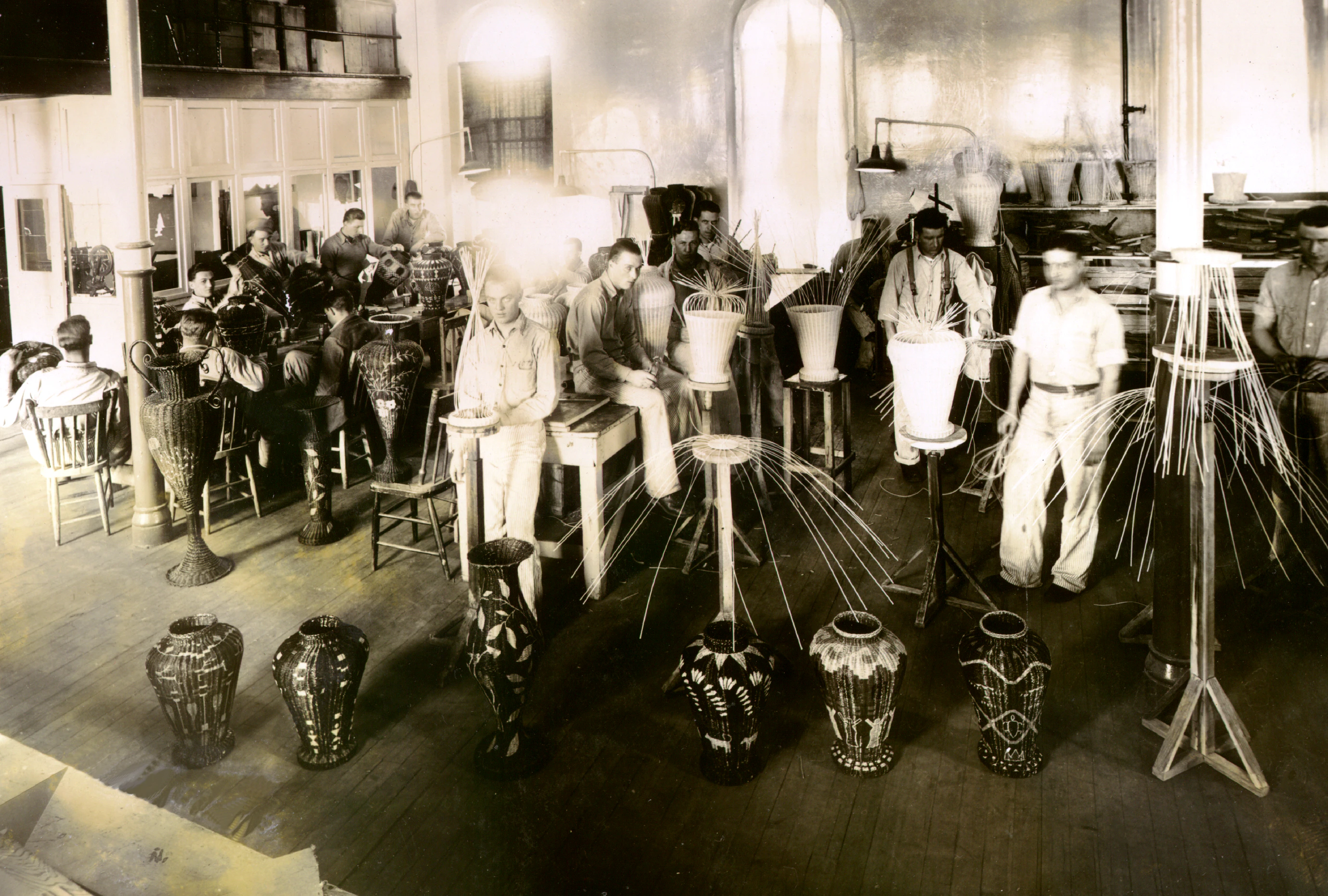
Basket Making Shop
See this link for some additional designs inmates produced in this shop.
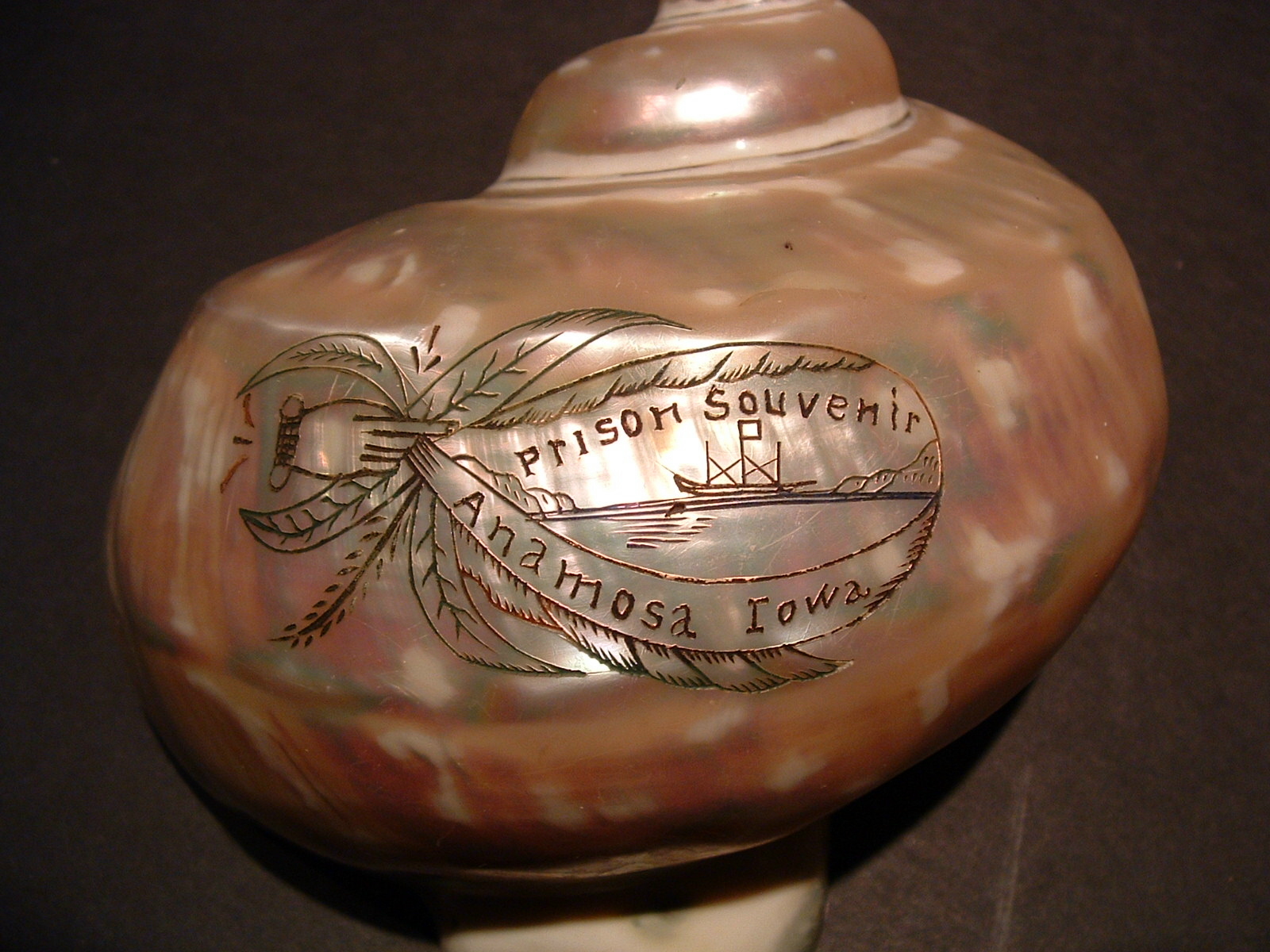
Shell Carvings
In the early years, inmates were allowed to carve shells in their cells, and sell the results as souvenirs to prison visitors. When Warden Hunter assumed command, he had different ideas, and ordered the cellhouse cleared of all shell and carving tools. Several wagon loads were taken out. This shell, apparently, survived the purge.
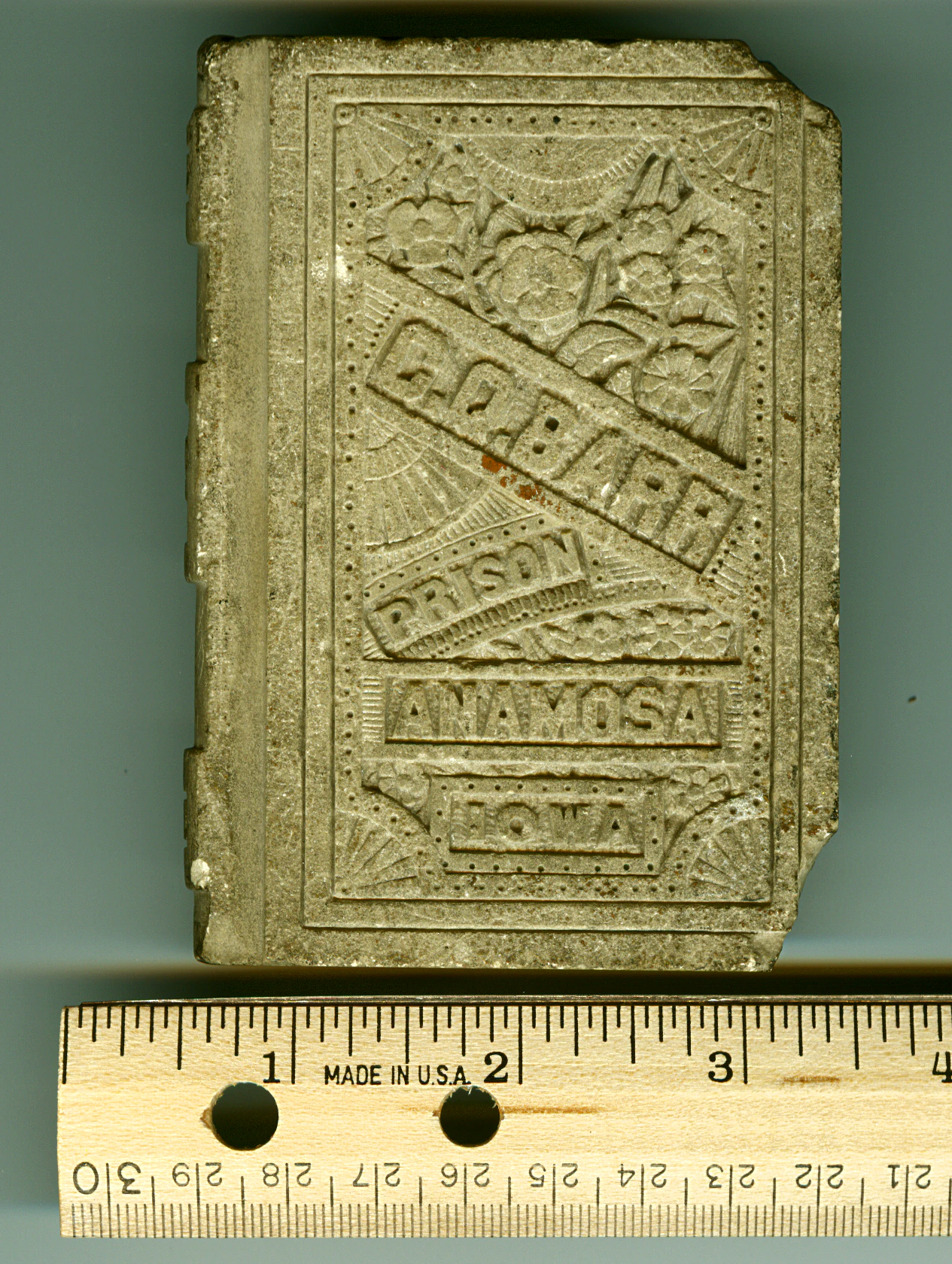
Stone Books
If the institution had a surplus of anything in the early years, it was stone. It was everywhere you looked. Apparently, hand carving small stone "books" was allowed, as a number of them are in existence. This one was carved for C.Q. Barr, a Deputy Warden from 1886 - 1892.
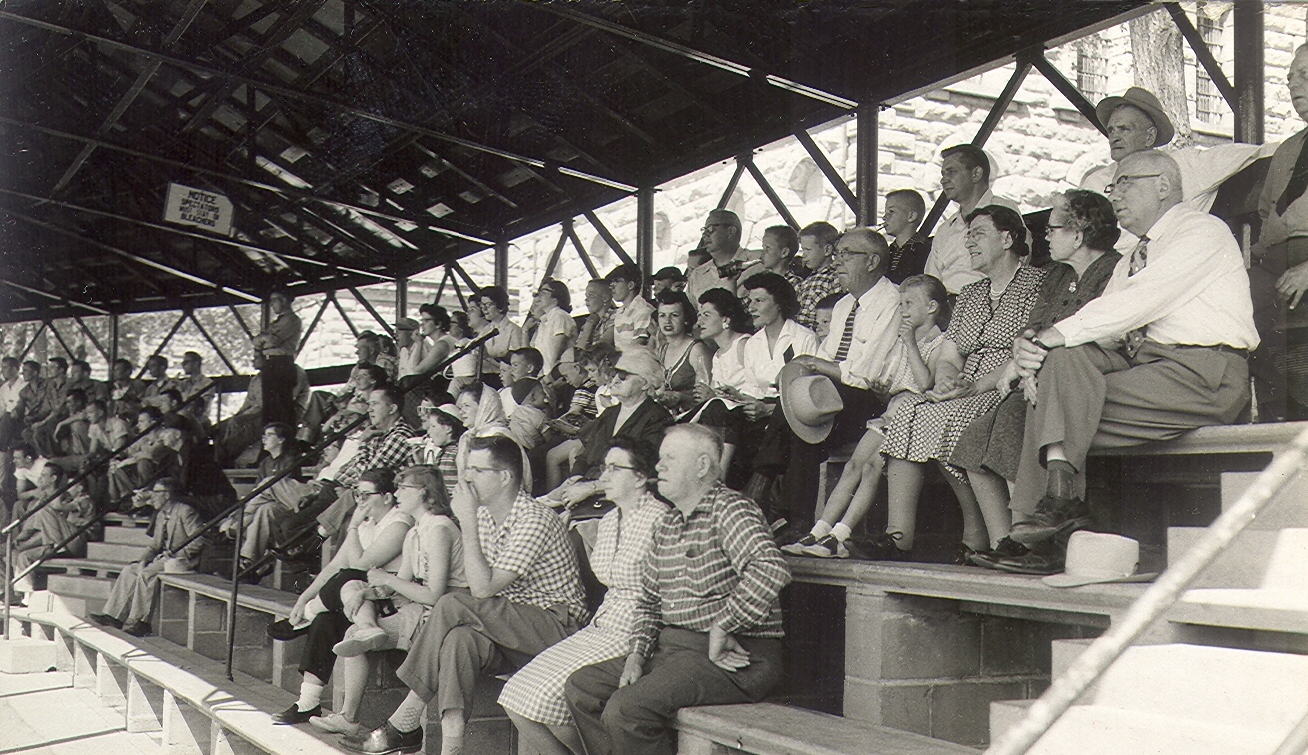
Townsfolk Watching Game
For years, townsfolk were allowed into the institution to sit in the bleachers and watch the prison baseball games.
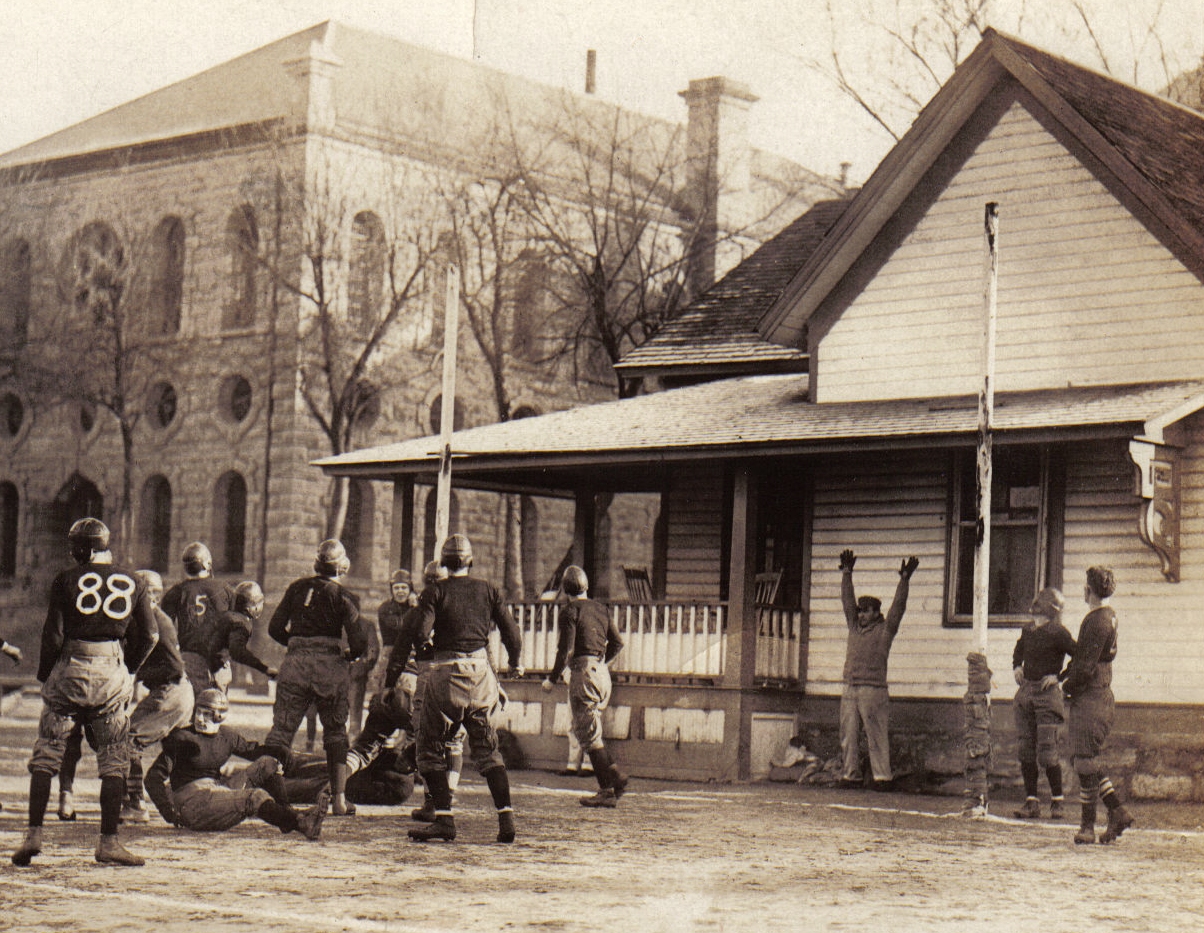
Touchdown Near Yard Captain's Office
The frame building, no longer in existence, served as the Yard Captain's office.
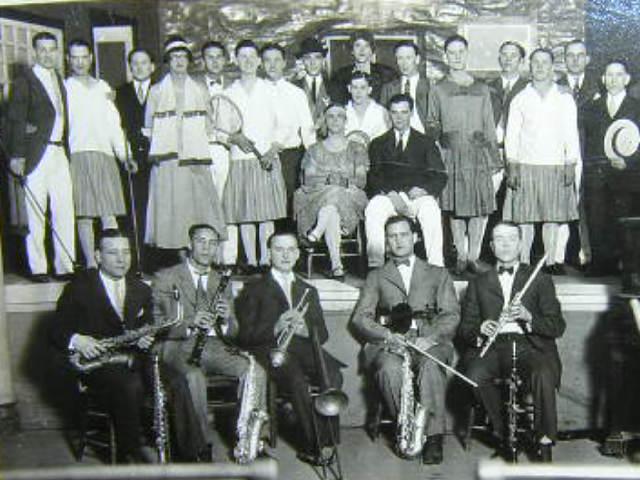
Theatrical Productions
During the 20s and 30s, theatrical productions not only entertained their fellow inmates, but the public as well, whose ticket sales helped support the theater and music efforts at the Reformatory.
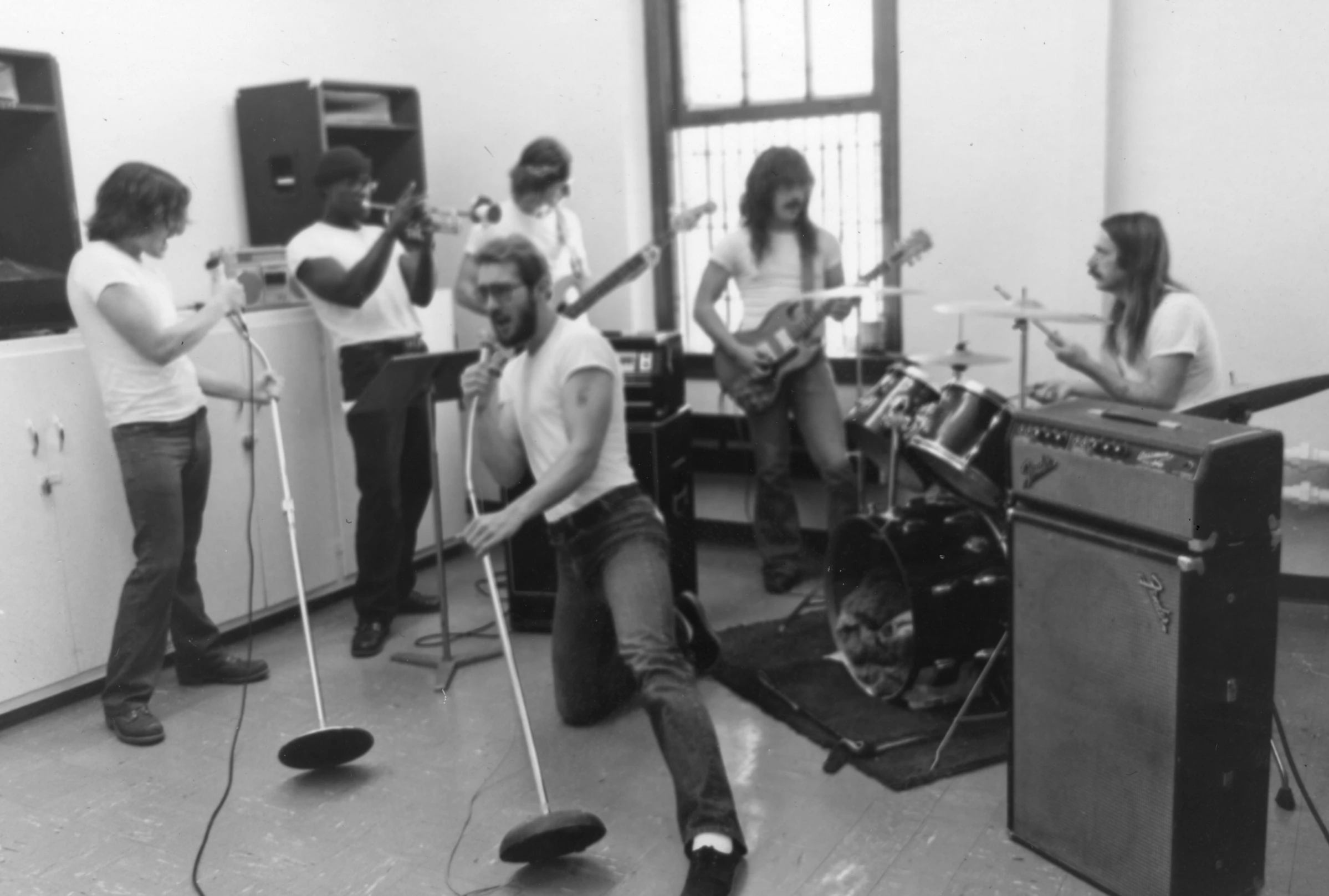
Rock And Roll Is King
The prison provided a music room for many years, even installing recording equipment for inmate use.
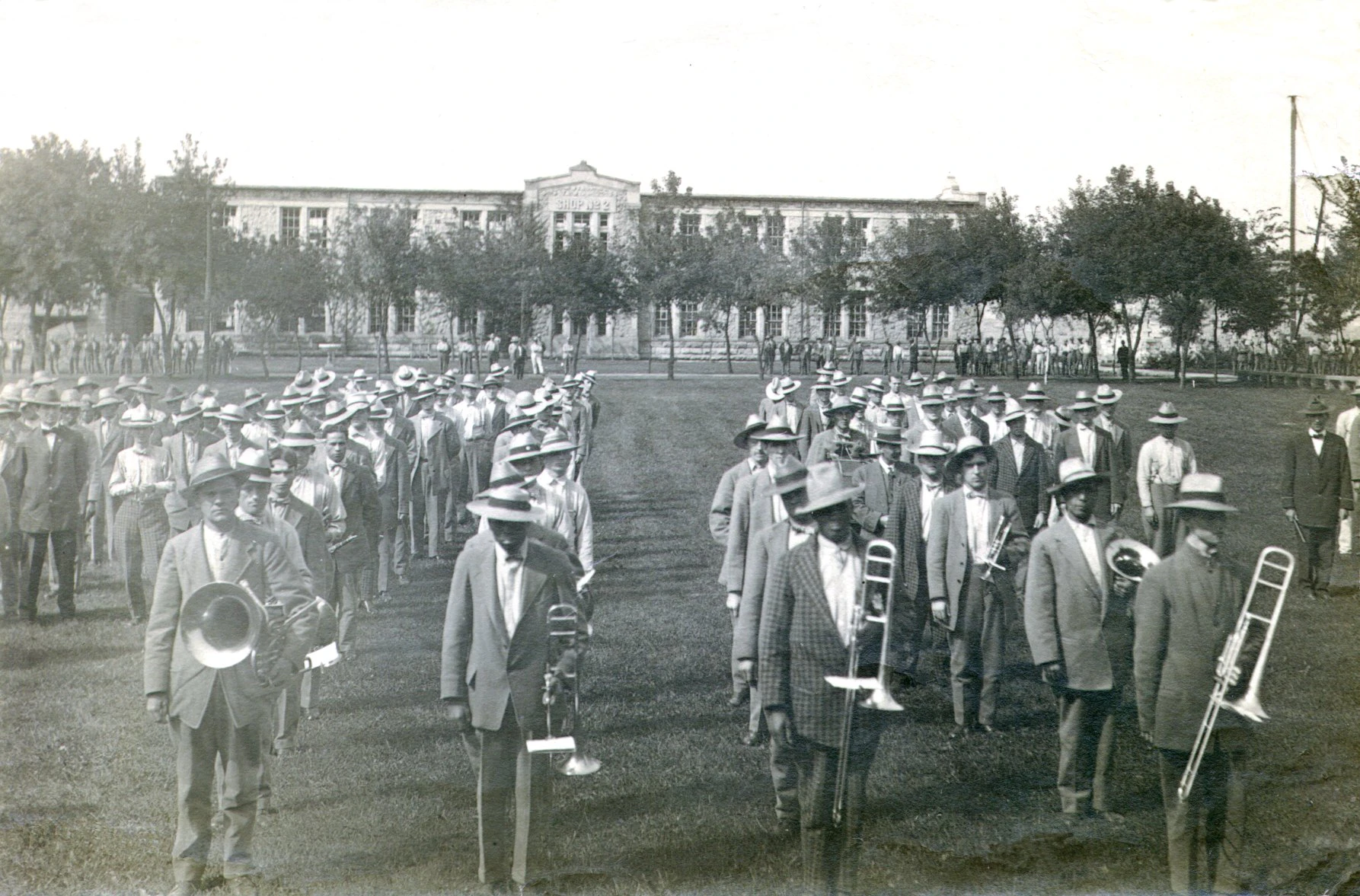
Early Prison Band
From 1921...
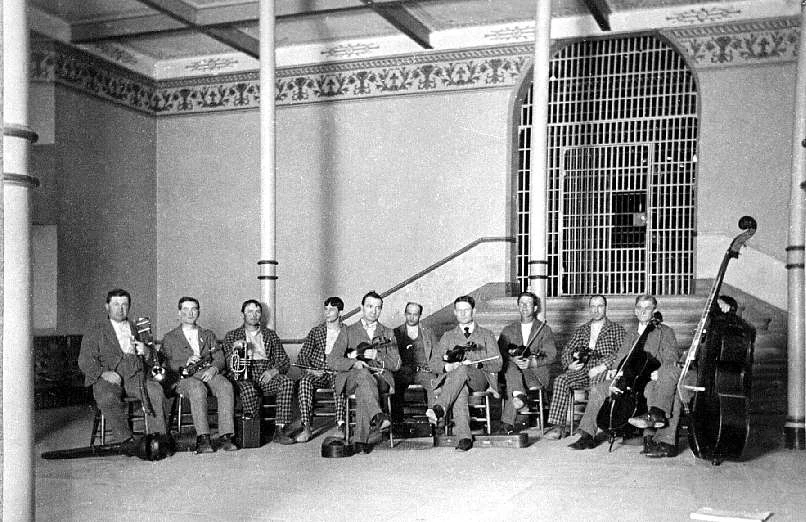
Prison Band
Another photo of the prison band.
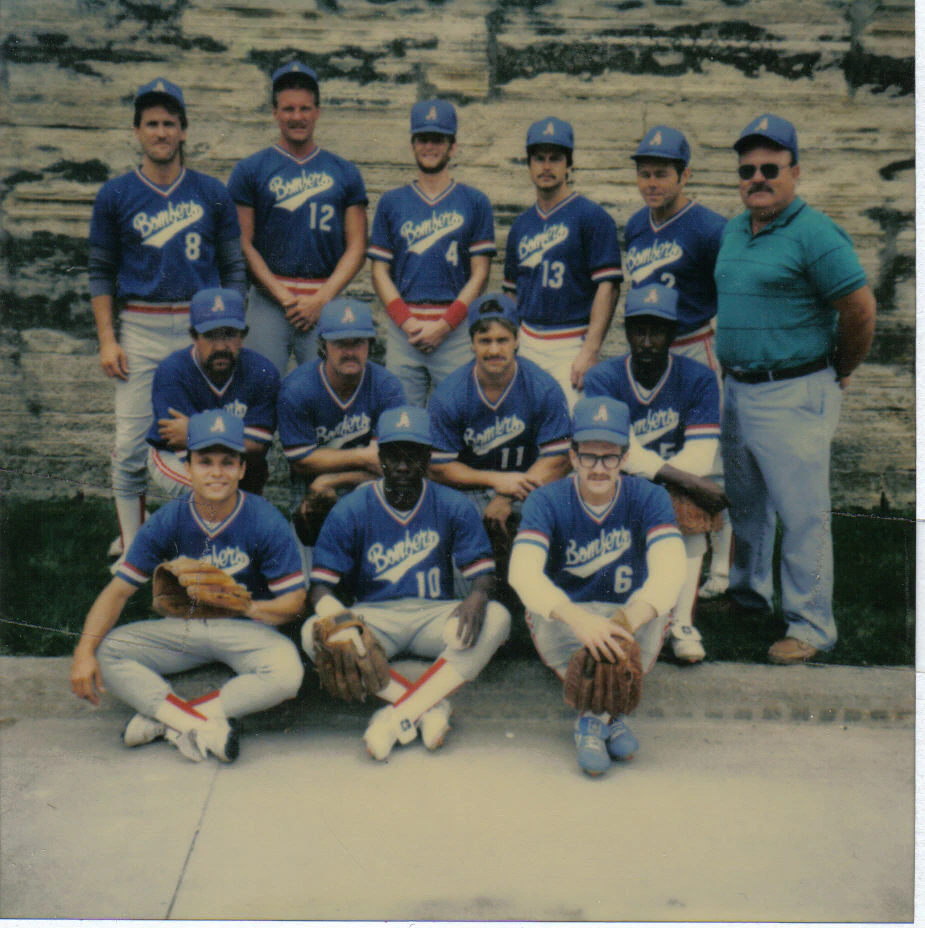
Prison Softball
1989 - under guidance of staff member Tom Beadle.
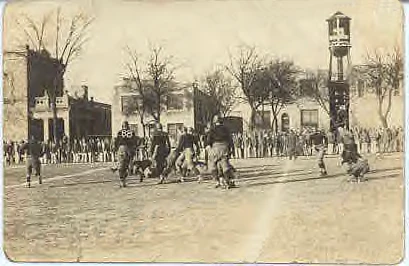
More Prison Football
Date unknown.
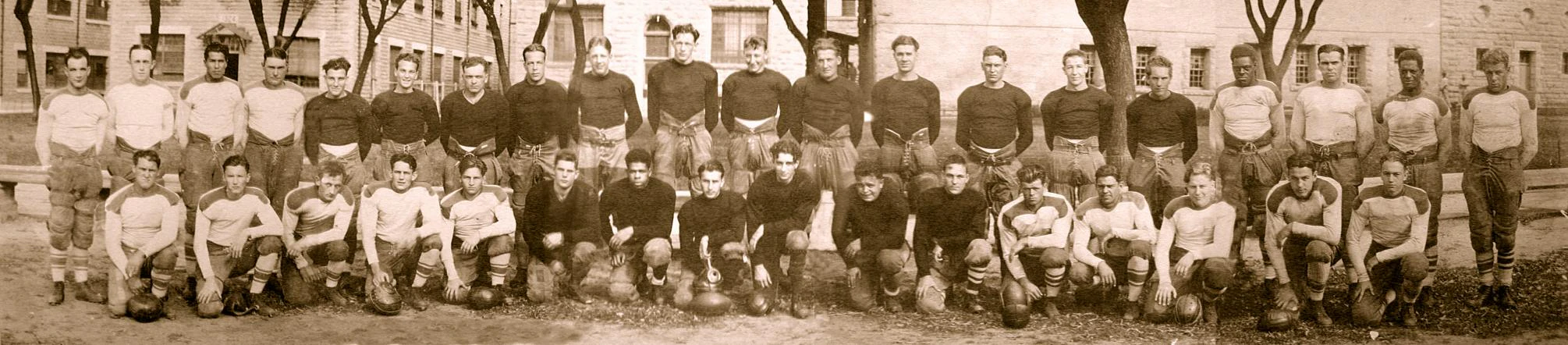
Football Team
Historical narrative descriptive transcription context parameters pending input adjustments.
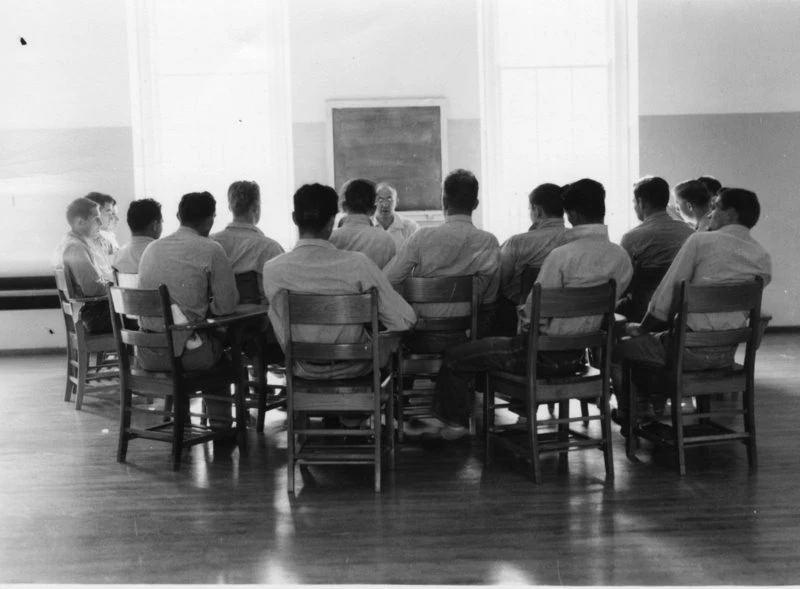
School Session
School Director Paul Weiler holds some type of class at the prison school, circa 1950s
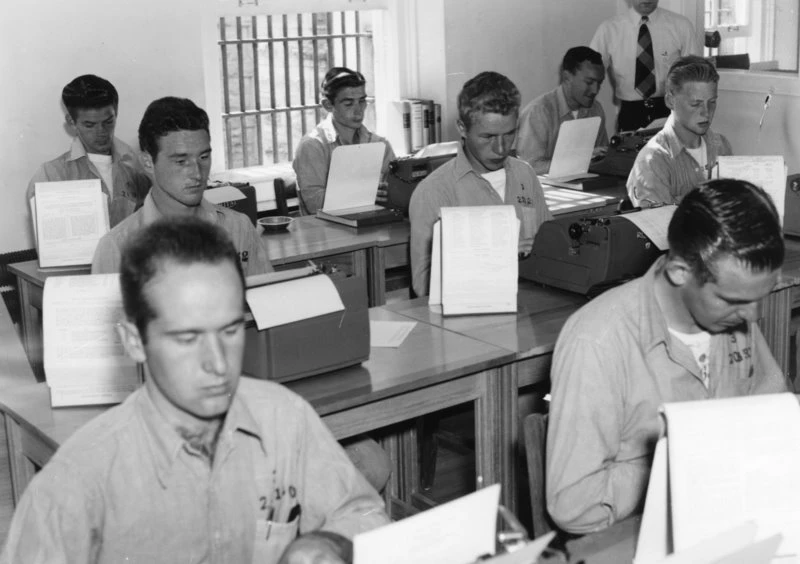
Typing Class
Inmates learning to type on old-fashioned typewriters!